Comparative Analysis: GFRP vs. Steel Rebar in Base Slab Construction
Base slabs are a critical structure in warehouses, industrial floors, heavy equipment and commercial buildings. Base slabs carry heavy loads, resist environmental stress and increase life span. Steel rebar corrodes and rusts, which weakens the base slab and requires regular maintenance. GFRP Rebar is a corrosion-resistant, stronger, durable, lighter and cost-effective base slab construction material. It makes the base slab construction stronger and increases the life span of the base slab construction.
MRG Composites is a leading GFRP bars supplier and GFRP rebar manufacturer in India with more than 17 years of industry experience. We have completed more than 5000 projects and supplied 5000+ GFRP Rebar worldwide. MRG Composites uses advanced technology that makes rebar twice stronger and ¼ lighter than traditional steel rebar.
Understanding GFRP Rebar in Base Slab Construction
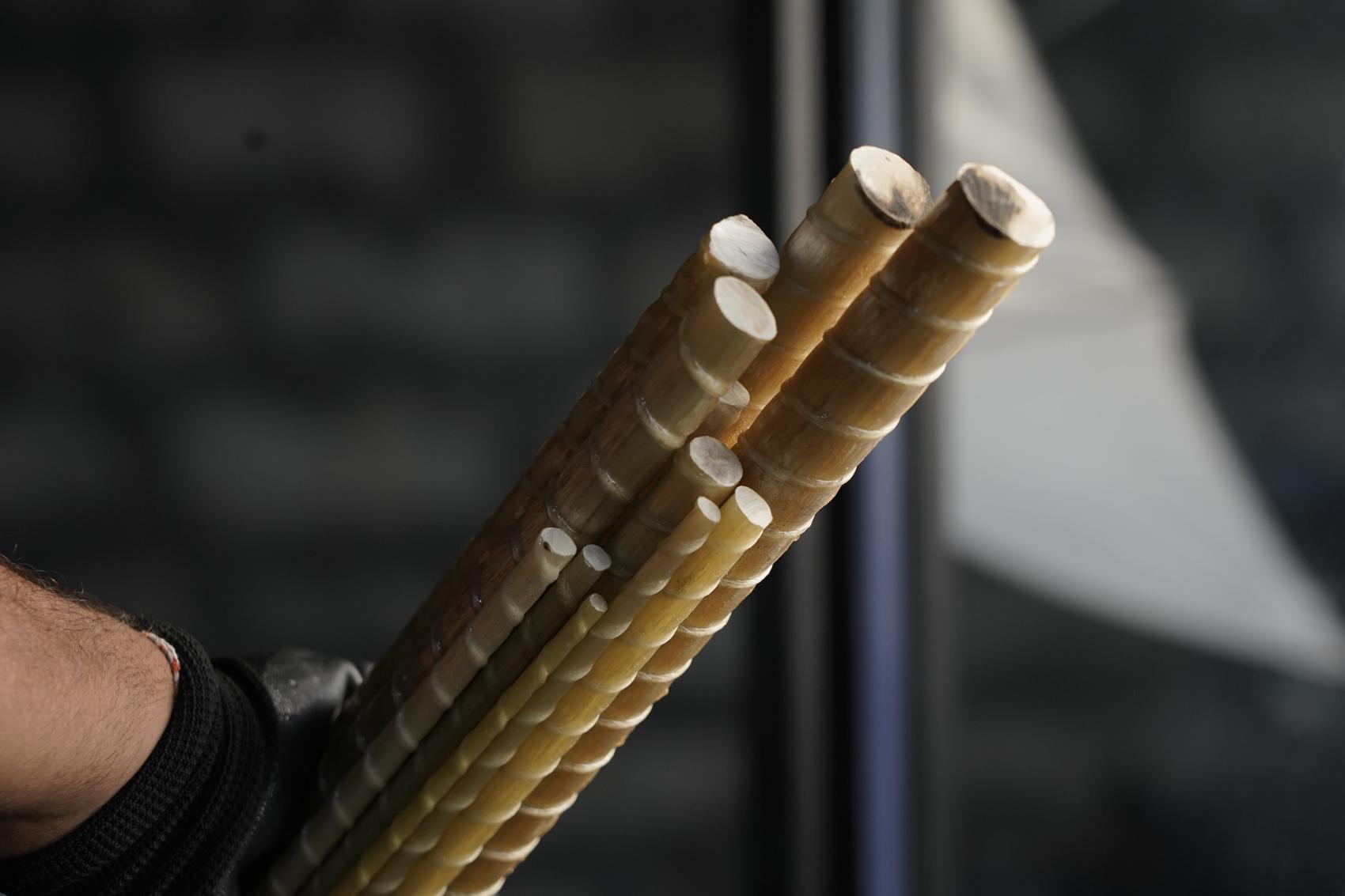
GFRP Rebar consists of Glass Fibre and Polymer Resin. Glass fibre protects the polymer resin. It improves strength and reduces rust in base slab construction. GFRP Rebar does not rust or corrode. It protects construction from chemicals, water and saltwater. On the other hand, steel rebar is not compatible with water, By using it reduces the bond strength and creates cracks.
Key technical strengths of GFRP rebar include:
- High tensile strength — often more than 1,000 MPa, approximately twice that of mild steel.
- Lightweight nature — almost 75% lighter than steel, which makes handling easier and cuts transportation cost.
- Low thermal conductivity — reducing stresses due to temperature variations.
- Non-conductive — safe for environments near electrical equipment.
- Zero corrosion — especially valuable for base slabs exposed to moisture or chemicals.
These technical characteristics make GFRP rebar suitable for base slab reinforcement, particularly in slabs where long-term durability and maintenance cost are key project concerns.
Steel Rebar: Traditional but Not Problem-Free
Steel rebar remains the industry standard, and it performs predictably under design loads, especially where corrosion is controlled. Engineers have decades of experience designing with steel, and many codes reflect this history.
However, steel presents several limitations in base slab use:
- Corrosion risk: When steel reacts with moisture and salts, it forms rust. Rust expands and creates internal cracks in concrete, weakening the slab’s structural integrity.
- Weight: Steel rebar is heavy; it requires more labour efforts, increases transportation costs.
- Maintenance: By using steel rebar, base slab construction requires constant maintenance, and it increases maintenance costs too.
- Thermal expansion: Steel expands with heat, and this repeated expansion and contraction contribute to cracking, especially in large floor slabs.
Base slab go through heavy vehicles, expose to chemicals, water, or salt water, It requires regular maintenance or some time replacements.
Head-to-Head Comparison: GFRP vs. Steel Rebar
Corrosion Resistance
- GFRP Rebar: Does not corrode. Its polymer matrix isolates glass fibres from moisture and chemicals.
- Steel Rebar: Rusts when water or chlorides penetrate concrete. Corrosion weakens the slab bond and leads to cracking.
For base slabs exposed to moisture, coastal environments, chemical factories, or wastewater facilities, GFRP’s corrosion immunity translates into longer service life and reduced repair cycles.
Strength and Load Bearing
- GFRP Rebar: Offers high tensile strength, often nearly double that of similar steel grades.
- Steel Rebar: Offers reliable tensile strength that engineers traditionally use for design.
Both materials perform well structurally, but GFRP’s higher strength-to-weight ratio gives slabs a larger safety margin under tensile stress.
Weight and Handling
- GFRP Rebar: 75% lighter than steel. This reduces labour fatigue, speeds up laying, and cuts handling equipment needs.
- Steel Rebar: Heavy bars require more workers or machinery for placement, especially on large slabs.
The lightweight benefit of GFRP often speeds up base slab reinforcement work and reduces onsite labour requirements.
Longevity and Maintenance
- GFRP Rebar: Stays intact without rust, reducing maintenance throughout the structure’s life.
- Steel Rebar: Corrosion leads to repair, resurfacing, and sometimes slab replacement.
Over decades, GFRP slabs typically show fewer distress signs than steel-reinforced slabs.
Cost Considerations
- GFRP Rebar: Higher upfront material cost compared to steel.
- Steel Rebar: Lower initial cost, but higher lifecycle cost due to maintenance, repair, and potential early weakening.
When considering both initial cost and long-term durability, GFRP often becomes more cost effective, particularly in corrosive environments. You can also check our GFRP Rebar vs Steel rebar
Practical Benefits of GFRP Rebar on the Job Site
Easier Installation
GFRP rebar’s low weight means workers can install bars with less energy and fewer tools. Crews can carry longer lengths manually, and fewer cranes or lifting devices are needed.
Cleaner Work Environment
GFRP does not rust, so reinforcement remains clean during storage and installation. Workers avoid rust stains on hands and tools, enhancing site cleanliness and safety.
Less Dependency on Protective Coatings
Steel often needs epoxy coating or other corrosion mitigation systems. GFRP does not require additional coatings, saving time and materials.
Better Performance Under Chemical Exposure
For base slabs in industrial plants, chemical storage areas, or wastewater treatment zones, GFRP’s resistance to aggressive agents makes it ideal.
Design Considerations for GFRP Rebar in Base Slabs
Using GFRP rebar requires careful design planning because its mechanical behaviour differs from steel in some respects:
- Modulus of Elasticity: GFRP has a lower modulus than steel, so slab deflection and serviceability should be analysed to match the required performance.
- Concrete Cover: Adequate cover thickness helps protect bars and improve bond strength.
- Anchorage and Lap Splicing: GFRP bars need longer lap lengths and proper anchorage to ensure load continuity in slabs.
- Bar Spacing: Designers should set spacing that optimises tensile capacity and reduces crack width.
Engineers must consider these differences early in design to ensure GFRP base slabs achieve the desired strength and control deflection under load.
Where GFRP Rebar Excels in Base Slab Applications
GFRP rebar performs especially well in:
- Industrial base slabs are exposed to chemical and moisture cycles.
- Coastal and marine structures where salt accelerates corrosion.
- Heavy equipment pads where tensile stresses are high.
- Water treatment facilities with frequent water exposure.
- Warehouses and logistical hubs require minimal maintenance.
In these applications, GFRP’s combination of corrosion resistance, strength, and ease of installation supports long-term performance with reduced lifecycle cost.
Conclusion — Choosing the Right Reinforcement for Base Slabs
GFRP rebar is an ideal choice for base slab construction. GFRP Rebar is stronger, lighter, cost-effective, and durable. However, when corrosion risk is high, maintenance budgets are limited, or lifecycle performance is critical, GFRP rebar offers clear advantages.
MRG Composites is a leading GFRP bars manufacturer in India. MRG GFRP bars are stronger, lighter, cost-effective and durable. GFRP Rebar is an ideal choice for base slab construction.